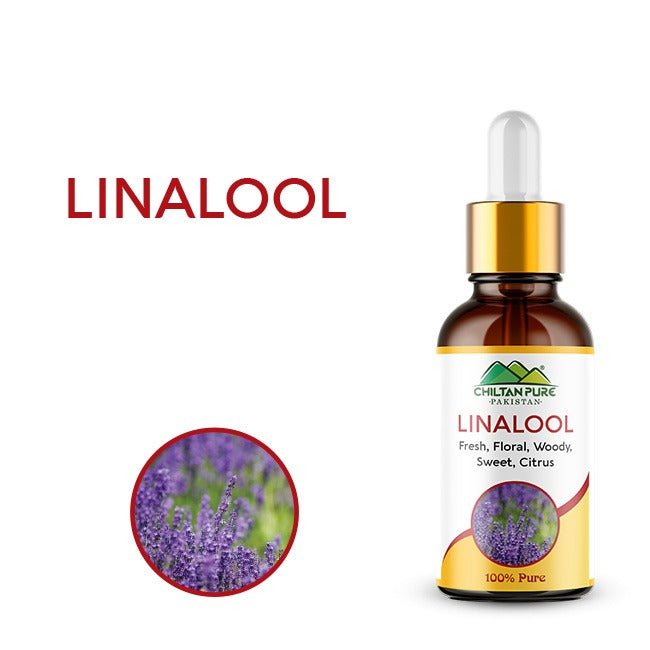
Linalool is a naturally occurring monoterpene alcohol found in over 200 plant species, including lavender, bergamot, coriander, basil, rose, and rosewood. It has been used in perfumery and cosmetics for well over a century and remains one of the highest-volume aroma chemicals produced globally. Both natural linalool extracted from essential oils and synthetic linalool share the same molecular structure and aromatic profile, giving formulators the flexibility to source it in either form.
What makes linalool exceptional is its near-universal compatibility with other fragrance materials. It softens harsh woody and citrus notes, lifts heavy oriental bases, and provides a clean, natural quality to floral compositions. It also acts as a fixative to some degree, contributing to the overall balance and tenacity of a blend. Its calming aromatic properties have made it a popular ingredient in aromatherapy and wellness product formulations. Linalool is also a precursor to linalyl acetate, the primary component of true lavender essential oil.
Usage & Guidelines
Fine Fragrance
Linalool is a fundamental building block in fine fragrance. It is present in the majority of commercial EdP and EdT formulas as a mid note modifier and blender. It softens sharp woody and citrus elements and adds natural body to floral compositions.
Attar and Oriental Blending
Linalool integrates beautifully into attar and oriental bases, where it lifts heavy oudy or musky foundations and adds a fresh floral dimension. It pairs well with rose, oud, sandalwood, and ambergris materials to create balanced, layered compositions.
Functional Fragrance
In detergents, fabric softeners, shampoos, and household cleaners, linalool delivers a recognizable clean-laundry lavender freshness. It is one of the most used functional fragrance materials globally and performs well in rinse-off and leave-on formats.
Cosmetics
In body lotions, creams, and shower gels, linalool contributes to both fragrance and mild skin-soothing properties. It is well tolerated at typical cosmetic usage levels and supports the overall sensory experience of the finished product.
Home Fragrance
Linalool performs well in reed diffusers and wax melts. In candles, it provides a clean floral woody note when cold-throw is the priority, though hot-throw performance is moderate due to its volatility profile.
Technical Specifications
Chemical Name : 3,7-Dimethyl-1,6-octadien-3-ol
CAS Number : 78-70-6
Synonyms : Linalol · Beta-Linalool · Licareol · Coriandrol
Purity : 95% minimum (cosmetic/fragrance grade)
Appearance : Colorless to pale yellow clear liquid
Odor Threshold : Approximately 0.8 to 1.0 ppb (very low — highly detectable)
Solubility : Slightly soluble in water · Freely soluble in ethanol and carrier oils
Specific Gravity : 0.858 to 0.868 at 20°C
Flash Point : 76°C (168°F)
Type : Natural-identical Synthetic / Also available from natural plant sources


![Chia Seeds – Make Skin Glow, High in Fiber, Protein & Aid in Weight Loss [تخم میکسیکو]](http://mamasjan.com/cdn/shop/files/Chia_seeds_wb.jpg_1_640x.jpg?v=1775544818)
![Chia Seeds – Make Skin Glow, High in Fiber, Protein & Aid in Weight Loss [تخم میکسیکو]](http://mamasjan.com/cdn/shop/files/ChiaSeeds1_640x.jpg?v=1775544818)